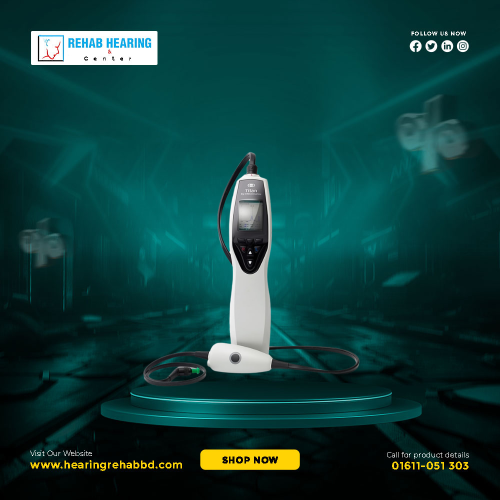
Description
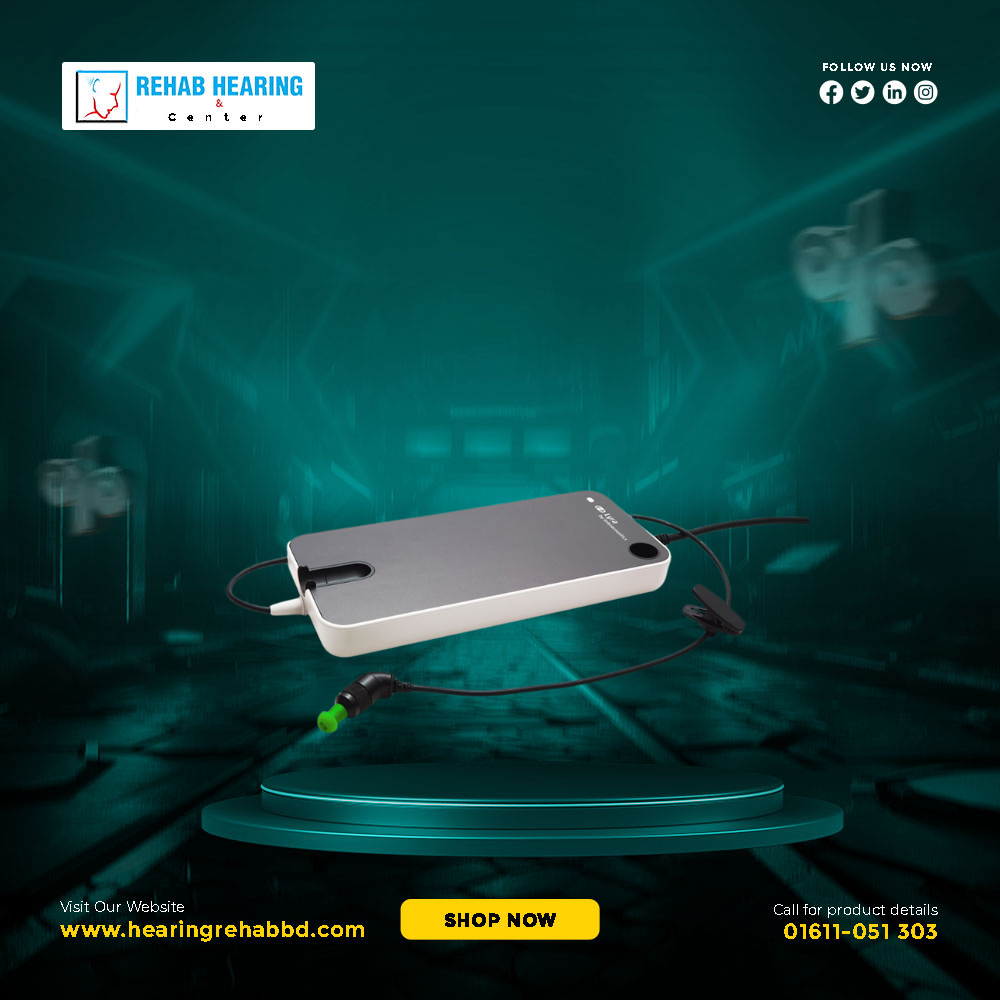
Lyra is a compact, PC-based clinical otoacoustic emission (OAE) device designed for fast, accurate, and reliable hearing assessment using both DPOAE (Distortion Product OAE) and TEOAE (Transient Evoked OAE) testing methods. It is specially developed for audiology professionals to evaluate cochlear outer hair cell function with precision in clinical environments.
Key Features & Benefits
Fast & Efficient OAE Testing
Lyra delivers rapid measurement of otoacoustic emissions, helping clinicians reduce test time while maintaining high diagnostic accuracy.
Dual OAE Testing Options
Supports both:
- DPOAE testing (approx. 500 Hz – 10 kHz)
- TEOAE testing (approx. 500 Hz – 5.5 kHz)
This flexibility allows clinicians to select the most appropriate test based on patient condition and clinical protocol.
USB-Powered Portability
- Connects directly via USB to a PC
- No external power supply required
- Lightweight and highly portable for use across different clinics or rooms
Suitable for All Age Groups
- Designed for both pediatric and adult patients
- Comes with multiple ear tip sizes
- Automatic in-ear detection ensures correct probe placement and dependable results
Advanced Clinical Software (IA OAE Suite)
- User-friendly interface for smooth workflow
- Seamless switching between DPOAE and TEOAE without restarting
- Detailed analysis, reporting, and interpretation tools
- Compatible with OtoAccess® and Noah patient management systems
Ototoxicity Monitoring Support
Enables long-term tracking through historical data comparison, making it valuable for patients undergoing ototoxic medication treatment.
Customizable Test Protocols
Clinicians can:
- Use predefined protocols
- Create or modify custom screening and diagnostic protocols
- Set pass/refer criteria based on clinical requirements
Built-in Normative Data Analysis
Integrated reference data helps classify results as:
- Normal response
- Abnormal response
- No response detected
This enhances diagnostic confidence and decision-making.